Land of the Free — Own Your Piece of Northern Michigan
There is something different about owning land in Northern Michigan.
Maybe it is waking up to woods instead of neighbors. Having enough room for a barn, workshop, trails, gardens, or horses. Building a home where privacy is part of the plan. Or simply owning a piece of Northern Michigan that your family can enjoy for generations.
From rolling farmland and hardwood forests to waterfront acreage, recreational property, and private homesites, Northern Michigan offers land in settings that are increasingly difficult to find elsewhere.
And here, owning acreage does not necessarily mean being far from everything.
Throughout the Boyne City, Petoskey, Charlevoix, East Jordan, Boyne Falls, and Lake Charlevoix areas, rural properties can put you within reach of exceptional boating, beaches, skiing, golf, biking, dining, shopping, and some of Northern Michigan's most desirable communities.
Whether you are searching for land to build on, a home with acreage, hunting property, agricultural land, or simply more room to live, the right parcel starts with understanding more than acreage.
It starts with understanding the land.
Why Buy Land in Northern Michigan?
Land offers something a traditional neighborhood property often cannot: possibility.
More space. More privacy. More freedom to create a property around the way you want to live.
Northern Michigan is especially compelling because large rural properties exist alongside some of the region's most desirable lakes, towns, and recreational destinations. In the right location, you can own significant acreage and still be a relatively short drive from Lake Charlevoix, Lake Michigan, Boyne Mountain, downtown Boyne City, Petoskey, Charlevoix, or East Jordan.
For some buyers, the goal is building a private estate surrounded by woods. Others want ten acres and a pole barn. Some are looking for hunting property, a hobby farm, room for horses, or a place where their children and grandchildren can gather.
Others simply want land.
A place where the night sky is actually dark. Where a trail can begin outside the back door. Where there is enough room between you and the next home to feel like you have escaped—even when town is only minutes away.
Land Is Limited
One of the fundamental characteristics of real estate is simple: land cannot be manufactured.
But that does not mean every acre has the same value or that land automatically appreciates.
The long-term desirability of a property can be influenced by location, road access, zoning, buildability, utilities, soil conditions, topography, waterfront or water features, timber, development pressure, parcel size, surrounding land uses, and proximity to desirable communities and recreation.
Northern Michigan adds another factor: lifestyle.
People come here for the lakes, beaches, forests, trails, skiing, boating, fishing, hunting, golf, and small-town communities. Land that provides privacy while keeping those experiences accessible can be especially compelling.
For buyers thinking long-term, the question should not simply be:
“How many acres am I buying?”
It should also be:
“What makes these particular acres desirable?”
Northern Michigan Acreage & Rural Properties
There is no single definition of the perfect Northern Michigan property.
One buyer may see fifty wooded acres and imagine hunting trails and a cabin.
Another sees open pasture and pictures horses.
Another wants five acres, a home, a big garage, and enough room to finally stop storing the boat somewhere else.
Understanding the different types of land available can help narrow the search.
Wooded Acreage
Northern Michigan's forests are one of the region's defining features. Wooded properties may provide exceptional privacy, wildlife habitat, recreational opportunities, timber resources, and beautiful settings for a home or cabin.
But wooded acreage should be evaluated carefully. Tree cover alone does not determine whether land is buildable. Access, wetlands, soils, topography, utilities, and zoning still matter.
Open Acreage & Farmland
Open land can offer possibilities for farming, pasture, horses, gardens, orchards, outbuildings, or simply wide-open views.
Existing agricultural land may also include barns, fencing, wells, trails, fields, and infrastructure that would be expensive to recreate from scratch.
Homes With Acreage
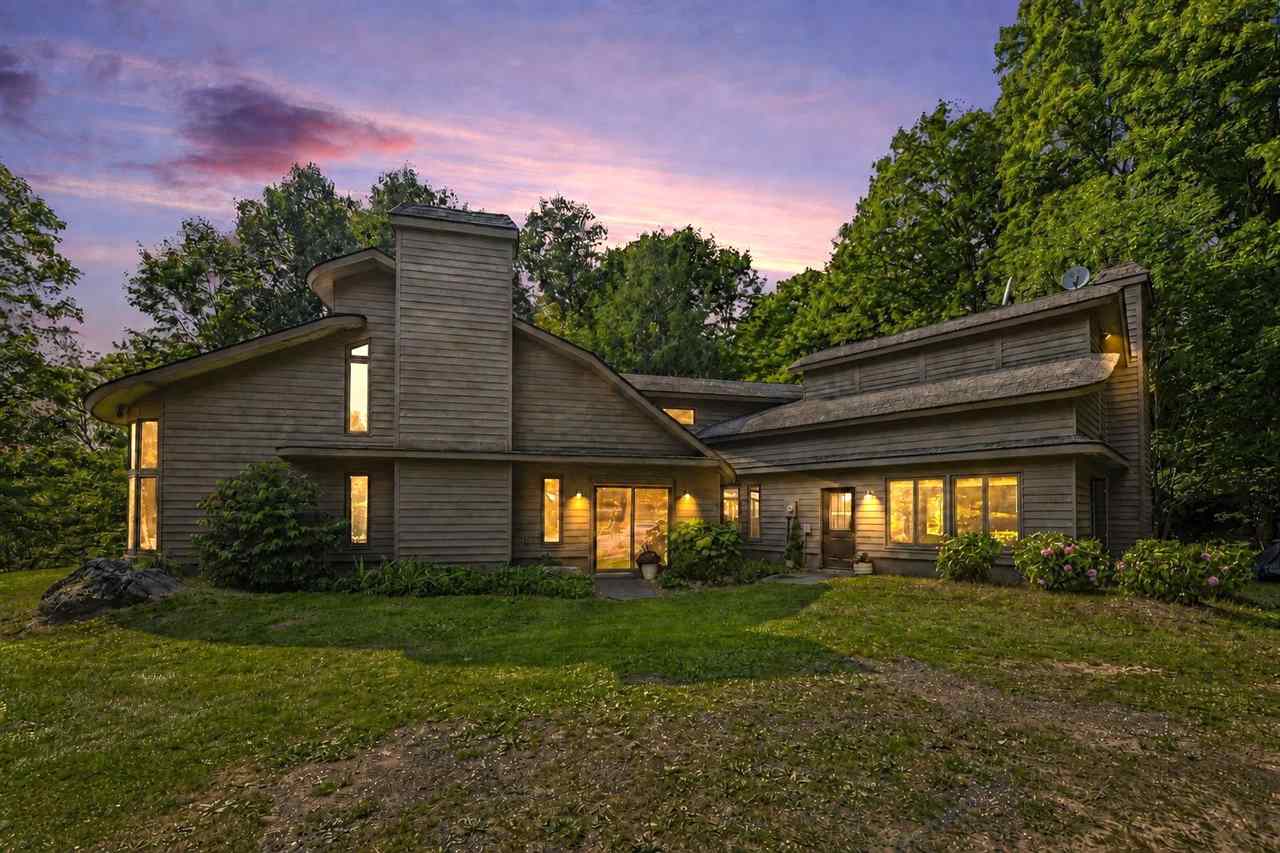
For buyers who want the land without starting with vacant property, Northern Michigan offers homes on parcels ranging from a few acres to substantial estates.
These properties can combine privacy with existing improvements such as garages, barns, workshops, trails, fencing, guest areas, or additional building sites.
Recreational & Hunting Land
Northern Michigan is an outdoor playground, and recreational acreage can provide a base for hunting, hiking, mountain biking, snowmobiling, cross-country skiing, camping, and exploring.
Properties bordering or near public land and established trail systems may offer recreational opportunities extending well beyond the property boundaries.
Vacant Building Sites
Sometimes the dream is not finding the perfect home.
It is building it.
Vacant land gives buyers the opportunity to choose the setting, home design, orientation, outbuildings, driveway, landscaping, and other features from the beginning.
Before purchasing a building site, however, buyers should investigate zoning, access, utilities, well and septic feasibility, soils, wetlands, setbacks, and other requirements that could affect construction.
What Can You Do With Land in Northern Michigan?
This may be the most exciting question—and one of the most important to answer before buying.
A beautiful twenty-acre parcel may offer possibilities that a one-acre subdivision lot cannot. But acreage alone does not guarantee that a particular use will be permitted.
Depending on the property and local regulations, Northern Michigan land may offer opportunities for:
Private homes and estates — Create a primary residence with room for privacy, outdoor living, recreation, garages, and outbuildings.
Second homes and retreats — Build a Northern Michigan getaway with enough space to make the property itself part of the experience.
Hobby farms — Gardens, orchards, small-scale agriculture, chickens, livestock, and other uses may be possible where zoning allows.
Horses and equestrian properties — Acreage may provide room for pasture, barns, riding areas, and trails.
Barns, garages, and workshops — For buyers with boats, RVs, snowmobiles, tractors, classic cars, or equipment, additional storage can be one of the greatest advantages of owning land.
Hunting and wildlife management — Wooded acreage, fields, water sources, and surrounding habitat can make rural property attractive to hunters and outdoor enthusiasts.
Private trail systems — Hiking, biking, cross-country skiing, snowshoeing, ATV use, or simply walking your own property can turn acreage into a year-round recreational asset.
Gardens and orchards — Sun exposure, soils, drainage, and water availability can make some properties particularly well suited for growing.
Family compounds — Larger properties may offer possibilities for multiple generations or additional residences, subject to zoning, parcel configuration, septic requirements, and other regulations.
Future parcel splits or additional homesites — Some properties may have potential to be divided or developed further, but buyers should never assume acreage is automatically splittable.
Short-term rentals — STR regulations can vary significantly by municipality and may change over time. Verify the current ordinance and any licensing or use requirements before purchasing based on rental income potential.
Wedding or event properties — Scenic barns, fields, water features, and large rural settings may inspire ideas for an event venue, but commercial uses can involve zoning approval, parking, occupancy, access, sanitation, noise, fire safety, and other requirements.
Conservation and stewardship — Not every acre needs to be developed. Some owners purchase land specifically to protect woods, wildlife habitat, wetlands, open space, or a special piece of Northern Michigan for future generations.
The possibilities can be extraordinary—but verify the intended use before you buy.
Zoning classification, parcel size, road frontage, setbacks, easements, deed restrictions, wetlands, well and septic requirements, health department rules, township ordinances, and other factors may determine what can actually be done with a property.
Understanding Township Zoning Before Buying Land
One of the most important things to understand about Northern Michigan real estate is that two properties a few miles apart can be governed by different rules.
A mailing address does not necessarily tell you which municipality regulates the property.
A property near Boyne City, for example, may be inside the city limits—or it may be located in a surrounding township with a completely different zoning ordinance.
That distinction matters.
Residential Zoning
Residential districts generally prioritize housing, but regulations can differ considerably.
Questions may include:
How many homes are permitted? What is the minimum lot size? How much road frontage is required? Are accessory buildings allowed before a primary residence is built? Can there be a guest house or accessory dwelling unit? Are animals permitted? Are short-term rentals allowed?
Never assume that “residential” answers those questions.
Agricultural Zoning
Agricultural zoning may allow a broader range of rural uses, potentially including farming, livestock, barns, agricultural structures, and lower-density residential development.
But agricultural zoning does not mean anything goes.
Minimum acreage, setbacks, building requirements, commercial activities, event uses, and animal-related regulations may still apply.
Commercial & Mixed Uses
A buyer considering a business, event venue, lodging operation, campground, storage use, or another income-producing activity should determine whether the proposed use is permitted by right, requires special approval, or is prohibited.
A property's physical potential and its legal permitted use are two different things.
Parcel Splits
A 40-acre property may look divisible on a map.
That does not necessarily mean it can be divided into eight five-acre parcels—or even divided at all in the way a buyer envisions.
Parcel splits can involve state law as well as local requirements for frontage, access, lot dimensions, zoning, easements, and other considerations.
If future division is an important part of your purchase decision, investigate that potential during due diligence rather than assuming it exists.
Accessory Buildings & ADUs
A detached garage, pole barn, workshop, guest cottage, or accessory dwelling unit can dramatically increase the usefulness of acreage.
The rules governing them can vary.
Some municipalities regulate building size, height, placement, setbacks, residential use, and whether an accessory structure can be constructed before the primary home.
Livestock & Horses
Dreaming of horses?
Great.
Just make sure the property can legally accommodate them.
The number and type of animals permitted may depend on zoning, acreage, setbacks, structures, manure management, and other local requirements.
Short-Term Rentals
Never buy property assuming you can use it as a short-term rental without verifying current regulations.
Rules can vary among cities, villages, and townships and can change. Some communities may allow STRs broadly, while others may regulate where they operate, require permits, cap licenses, or restrict them in certain zoning districts.
Event Venues & Commercial Uses
A gorgeous barn does not automatically make a legal wedding venue.
Parking, traffic, noise, restrooms, septic capacity, fire access, occupancy, lighting, signage, and commercial-use requirements may all come into play.
A property may be physically perfect for an idea while zoning makes that use difficult—or impossible.
Look Beyond What the Property Is Today
Before buying acreage, understand not only what the property is today, but what local zoning may allow you to do with it.
For buyers with specific plans, due diligence can include conversations with the appropriate township or municipality, zoning administrator, county health department, surveyor, builder, engineer, attorney, or other qualified professionals.
A little research before closing can prevent a very expensive surprise afterward.
What Makes Northern Michigan Land Valuable?
Two twenty-acre parcels can have dramatically different values.
Acreage matters, but the quality, usability, location, and characteristics of those acres matter too.
Location
Land close to desirable communities, lakes, recreation, and services may appeal to a broader range of buyers than similar acreage in a more remote location.
Proximity to Boyne City, Petoskey, Charlevoix, East Jordan, Lake Charlevoix, Lake Michigan, Boyne Mountain, and other Northern Michigan destinations can be an important consideration.
Road Frontage & Access
How do you get onto the property?
Public road frontage, private roads, shared drives, easements, seasonal roads, and landlocked parcels can have very different implications.
Access can affect financing, construction, maintenance, utilities, emergency services, future division, and resale.
Buildability
A gorgeous property is not necessarily a good building site.
Topography, soils, wetlands, drainage, setbacks, road frontage, access, and septic suitability can all influence where—or whether—a home can be constructed.
Well, Septic & Utilities
Many Northern Michigan rural properties rely on private wells and septic systems.
Vacant-land buyers should understand what may be required to establish both.
Existing homes with acreage should also be evaluated for the condition, location, and capacity of existing systems.
Electric service, propane, natural gas availability, internet access, and cellular service can also matter—especially for buyers planning to work remotely.
Topography
Rolling hills can create spectacular views.
They can also increase driveway and construction costs.
Flat open ground may simplify building but provide less privacy. Low areas may hold water. Steep acreage may be beautiful but less usable.
The number of acres on paper does not always equal the number of acres that function the way a buyer expects.
Water, Creeks & Wetlands
A creek winding through the woods can transform a property.
Ponds, streams, springs, wetlands, and waterfront can add beauty, wildlife habitat, recreation, and character.
They can also affect development, crossings, setbacks, permitting, insurance, and where structures can be located.
Timber & Natural Features
Mature hardwoods, evergreens, fields, ridgelines, wildlife corridors, and other natural features can make one parcel stand apart from another.
Some wooded properties may also have timber value, although that should be evaluated by an appropriate forestry professional.
Views
Lake views. Valley views. Rolling farmland. Woods. Sunsets.
A great view can turn a building site into something exceptional—especially when the land provides enough control over the surrounding setting to help preserve the experience.
Recreation
For many Northern Michigan buyers, recreation is part of the property's value.
Access to boating, skiing, snowmobiling, hunting, fishing, biking, hiking, golf, beaches, trails, and public land can influence both how a property is enjoyed and how desirable it may be to future buyers.
Land for Sale Near Boyne City, Petoskey & Charlevoix
Northern Michigan is not one market.
Every community has a different combination of land, water, recreation, development, accessibility, and lifestyle.
Boyne City & Boyne Falls Land for Sale
The Boyne City and Boyne Falls areas offer a compelling combination of rural acreage and recreation.
Buyers can find wooded parcels, homes with acreage, agricultural land, recreational property, and private building sites while remaining close to Lake Charlevoix and Boyne Mountain.
Boyne City offers the restaurants, shops, parks, marina, beaches, and energy of a waterfront community, while the surrounding countryside quickly transitions into forests, rolling terrain, farms, and larger parcels.
Boyne Falls adds exceptional proximity to skiing, golf, mountain biking, and year-round recreation at Boyne Mountain.
For buyers who want land without giving up the Northern Michigan lifestyle, this area deserves serious consideration.
EXPLORE BOYNE CITY REAL ESTATE
Charlevoix Land for Sale
Charlevoix sits in an extraordinary location between Lake Michigan and Lake Charlevoix, creating a real estate market heavily influenced by water, boating, tourism, and natural beauty.
Outside the downtown and waterfront neighborhoods, buyers can discover larger parcels, wooded land, farmland, recreational acreage, and private homesites.
For someone who loves the Charlevoix lifestyle but wants more privacy and room, acreage outside town can offer the best of both worlds.
EXPLORE CHARLEVOIX REAL ESTATE
East Jordan Land for Sale
East Jordan is positioned at the southern end of Lake Charlevoix and surrounded by some of the area's most beautiful rural countryside.
The surrounding area offers forests, farmland, rolling terrain, creeks, recreational properties, homes with acreage, and larger parcels that can feel remarkably private while still providing access to Lake Charlevoix and downtown East Jordan.
For buyers seeking acreage, East Jordan and the surrounding townships can offer a compelling mix of land, water, recreation, and small-town Northern Michigan living.
EXPLORE EAST JORDAN REAL ESTATE
Land Near Lake Charlevoix
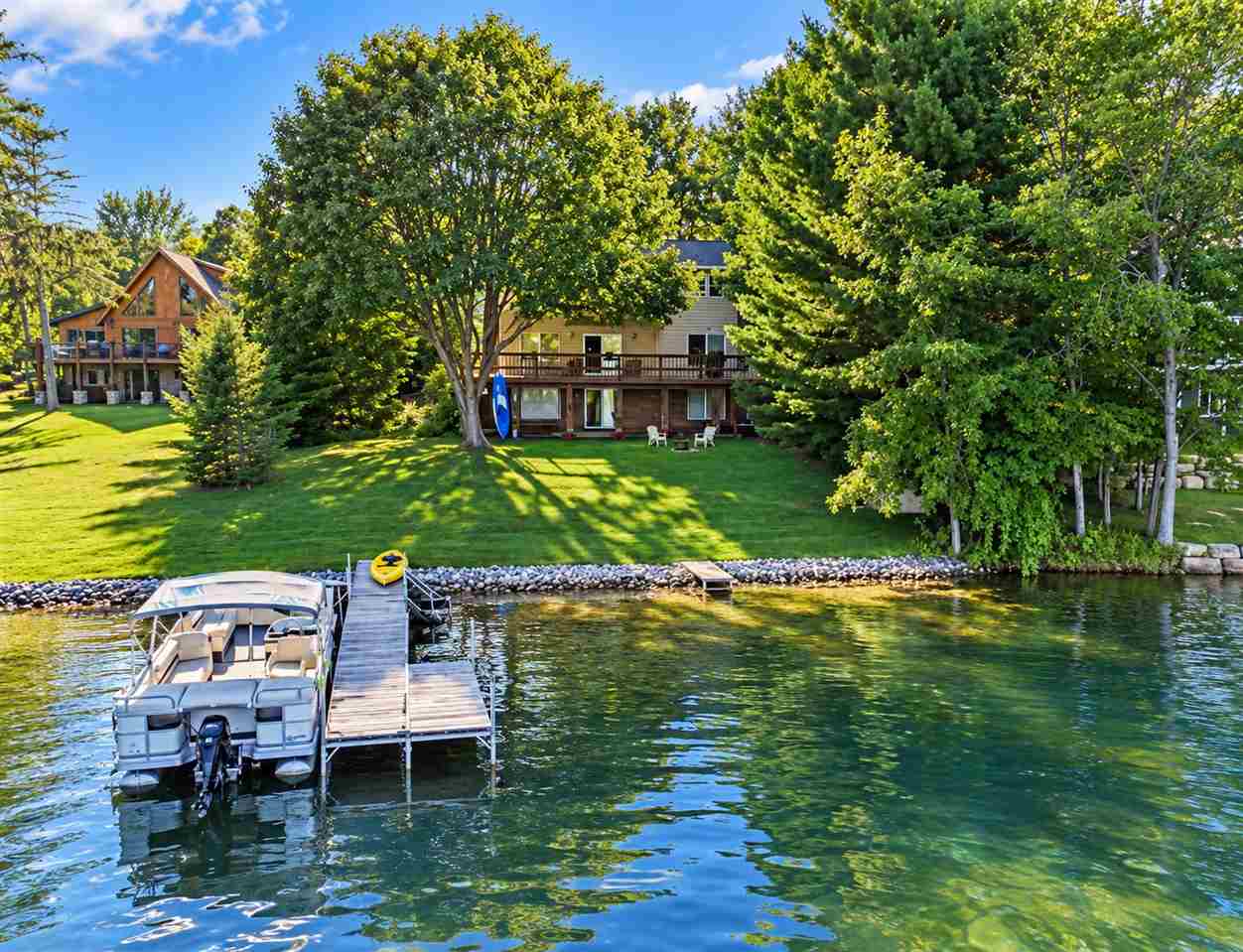
You do not need to own waterfront to build your life around Lake Charlevoix.
Acreage near the lake can provide privacy, storage, room for recreational equipment, larger homesites, and rural living while keeping boating and waterfront communities nearby.
Depending on location, land surrounding Lake Charlevoix can provide convenient access to Boyne City, East Jordan, Charlevoix, public launches, marinas, beaches, and the broader Northern Michigan boating lifestyle.
For some buyers, the ideal combination is not a smaller waterfront lot.
It is more land with Lake Charlevoix nearby.
EXPLORE LAKE CHARLEVOIX REAL ESTATE
Boyne Falls & Boyne Mountain Land for Sale
The Boyne Falls and Boyne Mountain area offers a unique combination of rural Northern Michigan acreage and four-season resort living.
Buyers can find wooded parcels, homes with acreage, recreational land, agricultural property, and private building sites throughout the countryside surrounding Boyne Falls and Boyne Mountain.
The area is especially attractive for buyers who want privacy and room to spread out while staying close to skiing, golf, mountain biking, hiking, dining, and year-round recreation at Boyne Mountain. Lake Charlevoix, Boyne City, Walloon Lake, and other Northern Michigan destinations are also within easy reach.
For those looking for acreage with access to resort recreation, lakes, trails, and the quieter side of Northern Michigan, Boyne Falls and the surrounding Boyne Mountain area offer an exceptional place to own land.
EXPLORE BOYNE FALLS & BOYNE MOUNTAIN REAL ESTATE
Petoskey Land for Sale
Petoskey combines one of Northern Michigan's best-known downtowns with beautiful rural areas just beyond the city.
Acreage surrounding Petoskey can provide privacy while keeping shopping, healthcare, dining, schools, Lake Michigan, Little Traverse Bay, and nearby resort communities within reach.
Buyers may find building sites, wooded acreage, homes with land, agricultural property, and larger rural estates throughout the greater Petoskey area.
EXPLORE PETOSKEY REAL ESTATE
Buying Vacant Land in Northern Michigan: Questions to Ask
Before making an offer on Northern Michigan acreage, consider questions beyond price and parcel size.
Where are the property boundaries? Is there a current survey? How is the property accessed? Is the road public, private, seasonal, or maintained by an association? What is the zoning classification? What uses are permitted? Can the parcel be divided? Is the land suitable for the home you want to build? Is there an approved location for septic? How deep are neighboring wells? Are utilities available? Are there wetlands, flood zones, easements, deed restrictions, or conservation restrictions? Is high-speed internet available? What will driveway construction require? Are there existing trails, wells, septic systems, barns, or other improvements?
And perhaps most importantly:
Does this property work for what you actually want to do with it?
A good land purchase is not simply finding acreage at the right price.
It is finding the right land for your purpose.
Search Northern Michigan Land for Sale
Northern Michigan land ranges from smaller building sites to large wooded parcels, farms, recreational acreage, waterfront land, and homes surrounded by dozens—or even hundreds—of acres.
Use the property search below to explore current land and acreage listings throughout Northern Michigan.
INSERT LIVE MLS LAND & ACREAGE SEARCH HERE
Looking for something specific?
Some of the best properties do not fit neatly into a search filter. A buyer looking for ten acres with a pole barn near Lake Charlevoix has a very different search from someone seeking forty wooded acres for hunting or a large estate property with equestrian potential.
Knowing why you want the land can be just as important as knowing how many acres you want.
Looking for Land in Northern Michigan?
Whether you're searching for five acres to build a home, a recreational retreat, a working or hobby farm, hunting property, a home with acreage, or a large Northern Michigan estate, I can help you evaluate more than the listing.
Location. Access. Acreage. Zoning. Potential uses. Improvements. Recreation. And the characteristics that make one property different from the next.
Northern Michigan land is not just measured in acres.
It is measured in what those acres make possible.
Find Your Piece of Northern Michigan
Explore available Northern Michigan land, acreage, homes, and estates—or reach out to discuss what you are looking for and where to begin.
CONTACT JAMIE